
Adventure Awaits in East Denver
Outdoor day camps, after school programs, and hiking adventures for kids across East Denver.
At HAWKs East Denver, we help kids unplug, explore, and grow through structured outdoor experiences designed for families throughout the greater East Denver area.
Day Camps, After-School Programs, and More at HAWKs East Denver!
Choose an adventure that fits your child's age, energy, and curiosity. Every program is active, supervised, and built to help kids grow.

After School Adventures
Our after school adventures keep kids active and engaged with hiking, outdoor STEM, and team based challenges that turn afternoons into real world exploration.

Birthday Parties
Our outdoor birthday parties combine guided hikes, nature games, and group challenges for an unforgettable celebration beyond the typical indoor venue.

Day Camps
Our outdoor day camps immerse kids in guided hikes, nature based games, and team challenges across East Denver, building confidence, independence, and a love for the outdoors.

Out-In-The-Field Trips
Our field trips deliver hands on outdoor learning through guided exploration focused on ecology, wildlife, and environmental awareness.

Red Tail Treks
Red Tail Treks challenge kids with extended hiking adventures that develop endurance, navigation skills, and deeper outdoor confidence.

Why Families Choose HAWKS in East Denver
Parents choose HAWKs because it is so much more than childcare. It is confidence building through adventure.

Safety First
All activities are supervised by trained educators who understand outdoor risk management and child development. We keep groups organized, hydrated, and supported throughout the adventure.
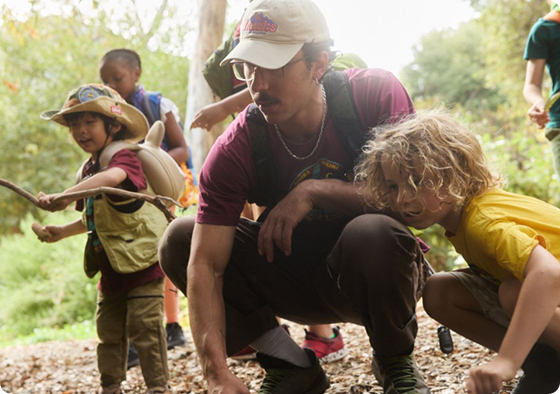

Experienced Educators
Our team combines outdoor expertise with a passion for working with kids. Every outing is planned, guided, and intentional.
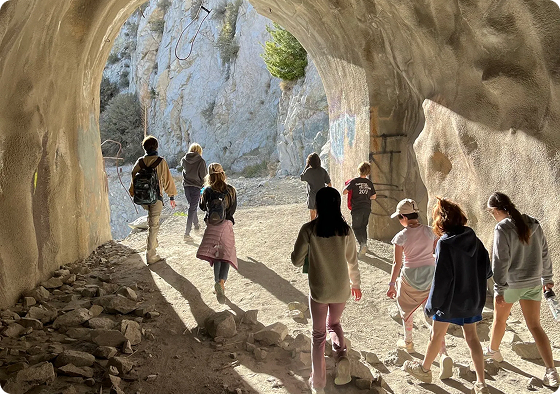

Local Knowledge
We explore carefully selected outdoor spaces throughout East Denver, making sure each adventure is fun, age appropriate, and safe.

Adventure with Purpose
Every program is designed to help kids grow through teamwork, problem solving, and real-world outdoor experiences.
Your Next Great Adventure Awaits with HAWKS
From first hikes to unforgettable milestones, we create outdoor experiences that shape confident, capable kids across East Denver.


Frequently Asked Questions
Still have questions? Contact us
Communication & Coordination
HAWKs communicates primarily by email. Families receive important updates, including location details in advance and periodic recaps of recent adventures. For urgent matters, we will call or text.
For most questions or updates, we recommend contacting your local HAWKs management team. Contact information is shared in advance of each program, and families may reach out directly if something urgent comes up during the day.
Because our programs take place in the field and often involve hiking between locations, we’re unable to accommodate late arrivals or early pick-ups. This helps us keep explorers safe, stay together as a group, and maintain the flow of the day.
Yes. Late pick-ups may incur a fee, as educators must remain on-site to supervise explorers beyond scheduled program hours. Fees and grace periods vary by program and location and will be outlined during registration.
Program Basics
Yes. HAWKs runs year-round in a wide range of weather conditions, as long as it’s safe to do so. We believe that experiencing nature in rain, cold, and sunshine is part of the adventure.
Our educators closely monitor forecasts and adjust activities or locations as needed. If weather becomes unsafe, we shift programming to pre-planned indoor locations such as nature centers or makerspaces. Families should send explorers dressed for the day’s conditions with appropriate layers and gear.
Yes. Need-based, sliding scale scholarships may be available and vary by location. Please reach out to your local HAWKs region for details.
We offer After School Enrichment throughout the school year at designated campuses, as well as Day Camps on school closure days including summer camp, holiday breaks, and in-service days.
In addition to our core programs, we offer private outdoor experiences—including birthday celebrations and group outings—as well as select weekend hikes, depending on location and availability.
Our core programs serve explorers ages 5–12. Age eligibility for private experiences, including birthday celebrations, may vary by location and activity.
Yes. HAWKs is a fully drop-off program led by trained educators, and families are not able to join programming during the day. Our programs are designed as child-focused experiences, and having adults on the trail can change group dynamics and impact safety, supervision, and independence-building.
If you have questions about your explorer’s experience, our team is happy to connect, and families receive clear logistics and updates throughout the program.
To ensure safety and accountability, explorers are signed in and out each day by caregivers or authorized adults.
Location details, directions, and program-specific information are emailed to families approximately one week prior to the start of each program.
- Cancellations made 14 or more days before the start of a program are eligible for a full refund or account credit, minus any non-refundable processing fees.
- Cancellations made within 14 days of the program start date are non-refundable, but may be eligible for an account credit at the discretion of the local HAWKs region.
- No refunds or credits are issued for missed days or partial attendance.
If HAWKs cancels a program due to weather, safety concerns, or unforeseen circumstances, families will receive a full refund or credit.
Requests to transfer to a different session, program, or date may be accommodated up to 14 days before the program start date, subject to availability. Transfer requests made within 14 days of the program start date are not guaranteed and are handled at the discretion of the local HAWKs region.
Safety & Supervision
HAWKs maintains a maximum ratio of 7 explorers per educator, with at least two educators present with each group at all times.
All HAWKs educators are background checked and certified in Wilderness First Aid, CPR, and EpiPen administration.
In addition, educators complete training focused on child development, outdoor safety, and nature-based learning.
HAWKs plans for outdoor activities year-round by selecting locations that fit the conditions—such as shaded trails on hot days, covered areas during rain, or routes and activities suited for cold or snowy weather when appropriate. We believe that different weather is part of the adventure, and with the right preparation, explorers can safely and joyfully spend time outside in all seasons.
Our team closely monitors forecasts and adjusts locations or activities as needed. When weather conditions become unsafe, we shift programming to pre-planned inclement weather locations, such as indoor makerspaces, nature centers, or museums, where explorers can continue hands-on, nature-connected learning in a safe environment.
We ask families to send explorers prepared with weather-appropriate clothing, including layers, rain gear, warm outerwear, or sun protection based on the forecast.
When public restrooms are available, we use them. Educators always check facilities first to ensure they are safe and clean.
When restrooms aren’t available, educators support explorers in finding a private, appropriate spot and carry supplies to help with nature bathroom breaks, following Leave No Trace principles.
What to Know Before You Go
HAWKs takes place at parks, trails, and green spaces throughout your region. Unlike traditional camps with a fixed location, drop-off sites change based on where your explorer will be adventuring that day—giving them access to diverse ecosystems and new discoveries. All adventure sites are located within your registered region, and you’ll receive directions in advance.
For programs that include Venture Van transportation, explorers are picked up at a designated location and brought back to the same spot at the end of the day.
Drop-off and pick-up details depend on the program your explorer is enrolled in and are always shared in advance. HAWKs rotates locations, giving explorers a new outdoor adventure and the chance to experience different parks, ecosystems, and trails within your registered region.
- Day Camps (including single-day and multi-day camps):
Families typically drop off and pick up directly at the day’s adventure site. HAWKs selects a park, trail, or green space within your registered region for each program day, and the exact meeting location is shared ahead of time so families know exactly where to go. - After School Programs:
After school programs begin with HAWKs educators picking up explorers from their designated school. Depending on the program and site, explorers may travel by Venture Van or on foot to nearby green spaces. Pick-up details are shared as part of program communications.
For programs that include Venture Van transportation, drop-off and pick-up take place at the same designated location, and HAWKs transports explorers to and from the adventure site.
One of the things that makes HAWKs unique is that each day brings a new outdoor adventure and a new drop-off location in a different park or green space within your registered region. Locations are shared in advance so families know exactly where to go.
For select programs, families may choose Venture Van transportation. With Venture Van, you’ll drop off and pick up at the same designated location each day, and HAWKs will transport explorers to the day’s adventure site.
Absolutely. You’re welcome to request sibling or friend placement during registration. We make every effort to accommodate these requests, though placement cannot always be guaranteed.
Please share any allergies, medical needs, accommodations, and emergency contacts during registration. Accurate health information helps our team plan and respond appropriately.
HAWKs educators review this information in advance and are trained to recognize signs of allergic reactions and respond quickly, including EpiPen administration. We are allergy-aware at camp and do not allow food sharing among explorers.
Families are responsible for packing any required medications and ensuring they are clearly labeled.
Families are welcome to reach out to their local HAWKs team with any questions or clarifications.
Explorers should bring a comfortable backpack with a refillable water bottle, lunch, snacks, sunscreen, and a hat or other sun-protective gear. HAWKs Educators carry water for refills throughout the day. Since explorers carry their own packs, we recommend packing light and choosing items they can comfortably manage on their own.
Dress your explorer in comfortable clothes that can get dirty, weather-appropriate layers, a hat, and sturdy, closed-toe shoes with good traction. Hiking boots are great, but well-fitting sneakers with good grip work too.
Families should plan to pack all meals and snacks. Day camps work best with a hearty lunch and 2–3 snacks, while after school programs typically need 2 snacks.
Outdoor days burn energy fast, so we recommend foods that provide sustained fuel—think protein, complex carbs, and healthy fats. Electrolytes or salty snacks are also helpful, especially on warm or high-activity days. Packing a bit extra is always a good idea.
HAWKs is designed to be a screen-free experience that helps explorers stay present, engaged with their group, and connected to the natural world. We ask that personal electronic devices—including phones, tablets, smartwatches, and gaming devices—be left at home.
In limited cases, older explorers may bring a phone for essential communication with parents or guardians. If approved, devices must remain powered off and stored securely during the day and may only be used at educator-designated times.
Personal devices are not permitted during hikes, games, meals, or group activities. HAWKs is not responsible for the loss, theft, or damage of any personal devices brought to programs, and educators may restrict or collect devices if use interferes with safety or the group experience.
Cameras:
Simple, non-connected cameras may be brought for taking photos, as long as they do not distract from activities or safety.
Your Explorer’s Experience
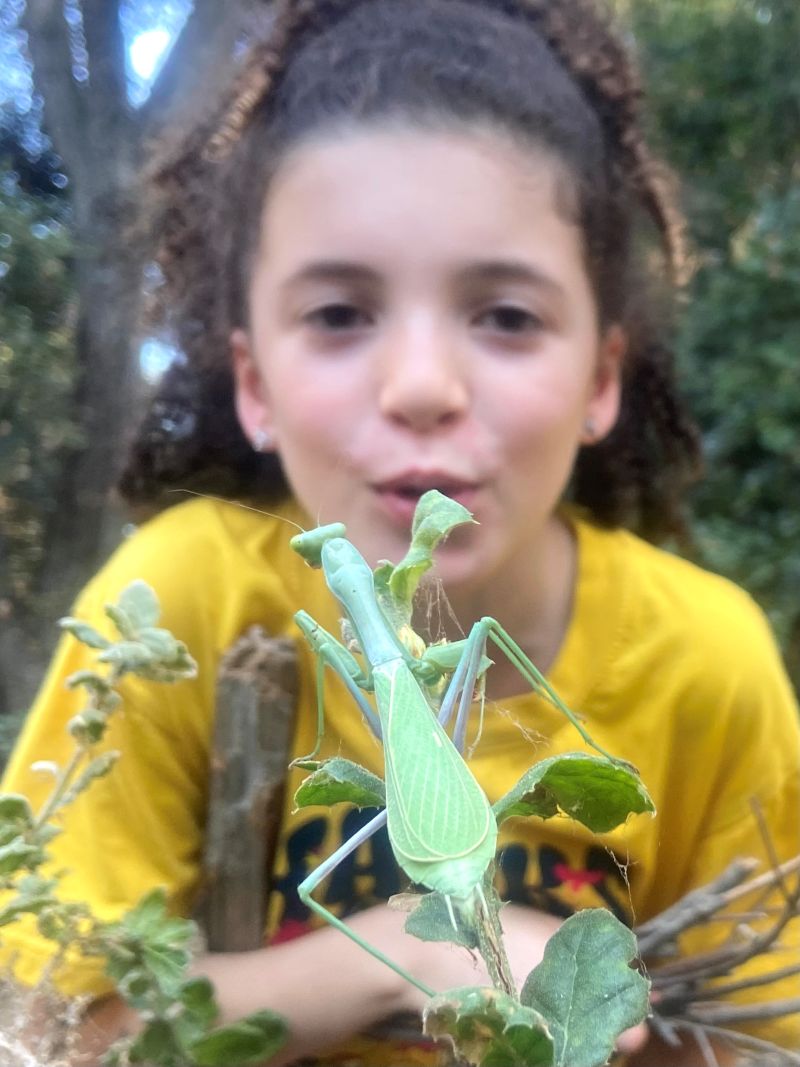
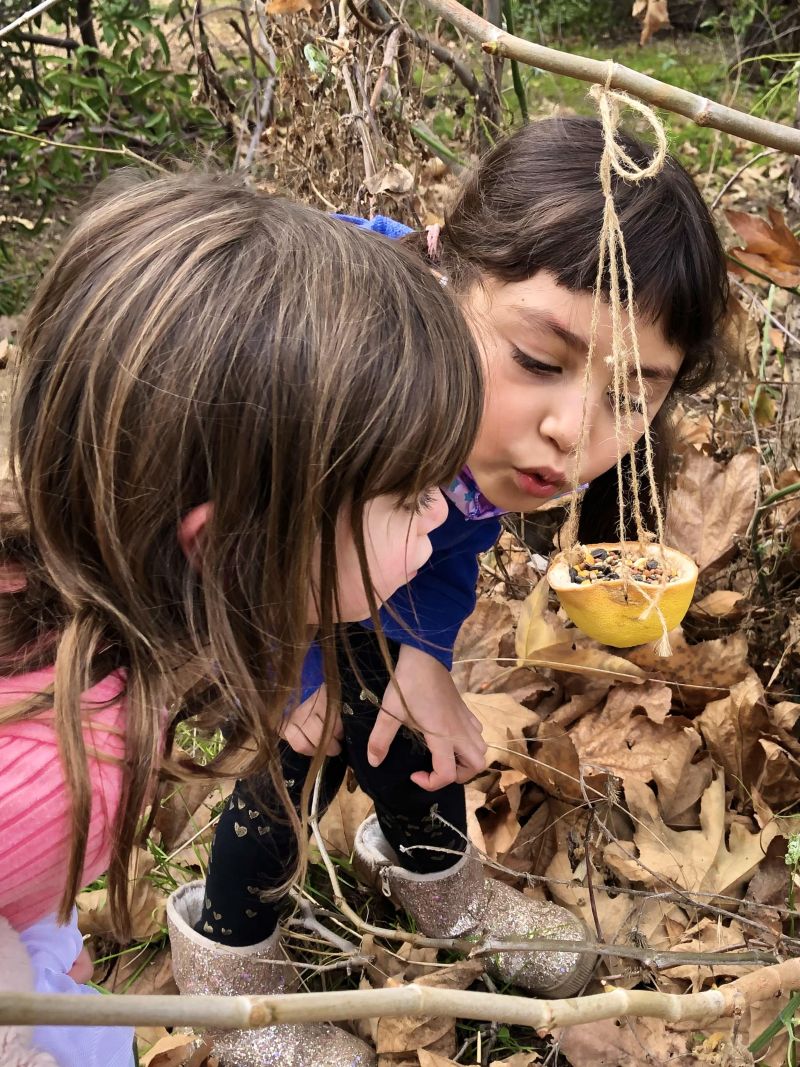
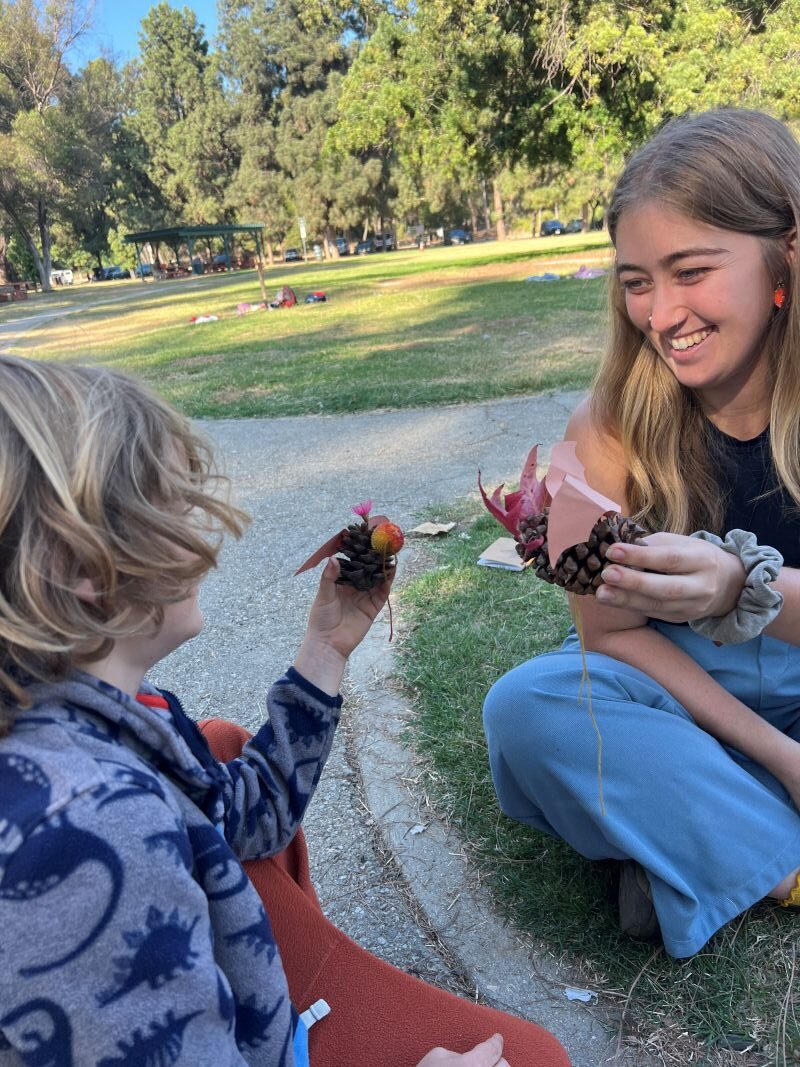
A typical HAWKs day includes hiking local trails, playing active games, creating with natural materials, and plenty of time for hands-on exploration. No two days are exactly the same—activities shift based on the weather, location, and what explorers discover along the way, whether that’s tracking animals, building nature art, or learning about local plants.
Families will periodically receive Field Notes that highlight recent adventures and discoveries.
Feeling nervous is completely normal—especially when trying something new. HAWKs educators are experienced in helping explorers settle in, build confidence, and ease into the day at their own pace.
We offer encouragement, clear expectations, and steady support while keeping explorers connected to the group. Whether an explorer needs a little extra reassurance or time to warm up, our team is there to help them feel comfortable and confident.
No hiking experience is necessary—just a sense of adventure! Our educators adapt distances and activities to match the group’s experience and comfort levels. In multi-day programs, stamina and trail skills build gradually, so even first-time hikers gain confidence over time.
Hiking distances vary by age, group, and location. Younger explorers (ages 5–7) typically hike up to about a mile throughout the day, while older explorers (ages 8–12) may hike 2–5 miles total.
Distances are spread out over the day and balanced with plenty of water breaks, snacks, games, rest, and time to explore, so hiking feels manageable and fun.
Beyond hiking, explorers take part in nature-based games, creative projects, journaling, scavenger hunts, and open-ended exploration. Activities are designed to spark curiosity, movement, and creativity, and often grow out of what explorers discover in the environment that day.
Explorers learn about local ecosystems, plants, and wildlife while building trail skills and practicing Leave No Trace principles. Along the way, they develop confidence, resilience, teamwork, and problem-solving skills through hands-on outdoor experiences.
We typically group explorers by age to support comfort, confidence, and age-appropriate activities. Sibling placement can be requested, and in smaller programs, mixed-age groups may be part of the experience.